Complaints Procedure for Commercial Waste Removal Tufnell Park Services
 Purpose and scope. This complaints procedure explains how clients of commercial waste removal in Tufnell Park can raise concerns about service delivery, billing, recycling practices, health and safety breaches, or missed collections. It applies to all commercial rubbish removal contracts and ad hoc commercial waste services across the service area. The aim is to resolve issues promptly and fairly, to maintain trust and continuous improvement.
How to make a complaint
Raising an issue: A complaint should be raised by the authorised representative of the business that holds the commercial waste contract. Complaints may relate to the quality of collection, waste segregation, unexpected disposal charges, or any other aspect of commercial waste management. When describing the issue, provide the service date(s), the type of waste, vehicle details if known, and any photographic evidence where appropriate. This information helps to speed up the investigation.
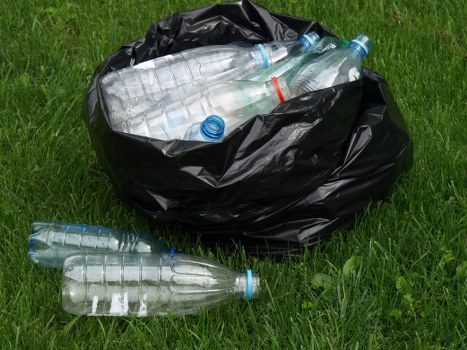 Acknowledgement and initial response. Upon receipt the complaint will be acknowledged within two working days. The acknowledgement will confirm who is handling the matter and outline the expected timescales. If a quick resolution is possible, the issue may be resolved and closed at this stage; otherwise the complaint will progress to a formal investigation.
Investigation process
All complaints are logged in the central complaints register for tracking and analysis. An investigator will gather relevant records, including collection schedules, vehicle records, duty-of-care documentation, and statements from operational staff. Where necessary, site visits or audits may be arranged. The investigator will apply impartial assessment and consider contractual terms, service level agreements and legal obligations in their findings.Timeline and communication. The company aims to provide a substantive response setting out findings and proposed outcomes within 15 working days of the acknowledgement. If further time is required, the complainant will be informed of the reason and given an estimated date for the final response. All communications will be clear and recorded.
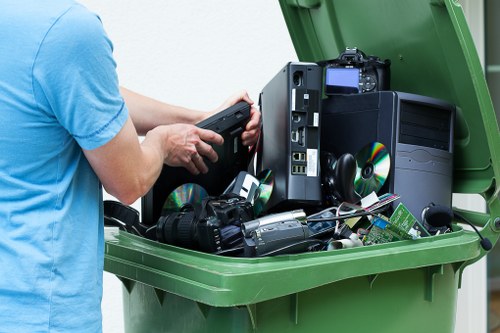 Possible outcomes. Outcomes may include immediate operational corrections (for example re-collection), rectification of invoicing discrepancies, additional staff training, process revisions, or disciplinary action where negligence or policy breaches are identified. If the complaint raises safety or environmental risk, interim measures will be taken without delay.
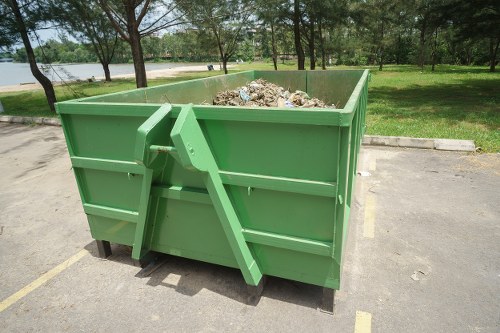 Escalation and review. If the complainant is not satisfied with the proposed outcome, they can request an internal escalation. An internal review will be carried out by a senior manager not involved in the original investigation. The review will reassess the evidence and the suitability of the proposed remedy. The decision of the senior reviewer will be communicated in writing and will include reasons for the decision.
Appeals and external options. Where contractual or statutory issues remain unresolved, details of appropriate external independent bodies or regulators that oversee waste management may be suggested as a further avenue. This could include environmental regulators or trade bodies relevant to commercial waste operations. The complaints process itself does not substitute legal rights; customers retain the right to seek independent legal or regulatory remedies where applicable.
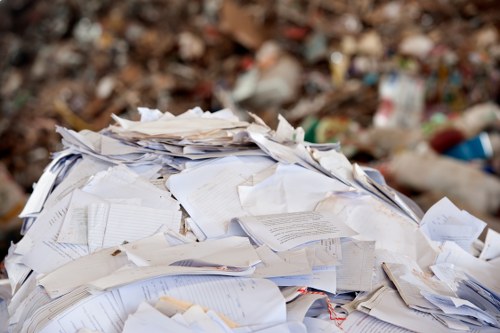 Recording, confidentiality and data protection. All complaints and related documents are retained in accordance with records management and data protection policies. Personal data and sensitive commercial information are handled securely and only shared with those directly involved in the complaint investigation. Summaries of complaints may be anonymised for trend analysis and continuous service improvement.
Continuous improvement and policy changes. Complaints are treated as a valuable source of learning. Management reviews aggregated complaint data regularly to identify recurring issues, compliance gaps, or opportunities to improve collection reliability and recycling performance. Where trends indicate systemic problems, service standards, operating procedures and training programmes are revised accordingly to prevent repeat occurrences.
Responsibilities. Operational teams are responsible for accurate record keeping, timely action on rectification tasks, and cooperating fully with investigations. Managers are responsible for ensuring fair, consistent handling of complaints, communicating outcomes, and implementing remedial actions. Senior leadership is responsible for ensuring this complaints procedure is maintained, resourced, and publicly available to commercial clients throughout the service area.
Final considerations. This complaints procedure is part of the company's commitment to responsible commercial waste management in the Tufnell Park service area and beyond. It ensures issues are addressed transparently, remedial actions are implemented, and rubbish collection Tufnell Park and other commercial waste removal variants receive consistent oversight. The procedure is reviewed periodically to remain aligned with legal requirements, environmental standards and customer expectations.