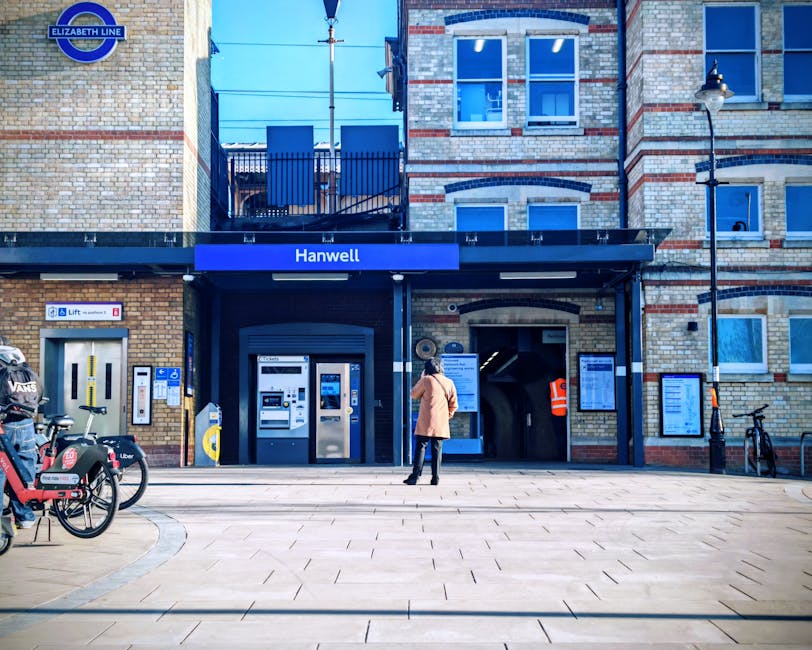
Rubbish removal near Tufnell Park Station: a practical local guide for homes, flats and businesses
If you are looking for Rubbish removal near Tufnell Park Station, you are probably dealing with one of those jobs that starts small and somehow grows. A broken wardrobe in the hallway. A few bags of builder's rubble. Old office chairs that have been sitting in the corner for weeks. Truth be told, rubbish has a knack for spreading out just when you want your space back.
This guide explains how rubbish removal works near Tufnell Park Station, what to expect, how to choose the right service, and which mistakes to avoid. It is written for real-world situations: tight stairwells, busy pavements, shared entrances, awkward furniture, and the simple need to get things gone without turning the day into a saga.
Whether you are clearing a flat, emptying a loft, dealing with post-renovation debris, or arranging a business clearance, the aim is the same: safe, efficient waste removal with as little disruption as possible. And yes, that does matter more in a station-area location where access and timing can be a bit finicky.
To help you navigate it properly, this article covers the service itself, the step-by-step process, legal and practical considerations, comparison points, and a checklist you can actually use.
Why rubbish removal near Tufnell Park Station matters
Tufnell Park Station sits in a part of London where everyday logistics can be a little tighter than people expect. Roads can be busy, parking is often limited, and access to properties may involve stairs, shared hallways, or narrow front paths. That makes rubbish removal less of a "just load it up" job and more of a planning exercise.
For local residents, this matters because waste sitting around quickly becomes an inconvenience. It blocks entryways, attracts damp smells, and makes a home feel unfinished. For landlords and letting agents, a leftover clearance job can delay a handover. For businesses, even a small pile of redundant items can get in the way of staff, customers, or compliance responsibilities. Nobody enjoys stepping over two filing cabinets to reach the kettle.
There is also a practical side to it. Proper rubbish removal helps separate reusable items from general waste, keeps recyclable material out of the wrong stream, and reduces the risk of fly-tipping. In London, where space is at a premium, that is not just tidiness; it is part of being a decent neighbour and a responsible property owner.
Key takeaway: near a station area, the value of professional rubbish removal is not just speed. It is about access, timing, safe lifting, disposal responsibility, and keeping disruption to a minimum.
How rubbish removal near Tufnell Park Station works
In most cases, the process is straightforward, but the details matter. A reliable collection usually starts with an assessment of what needs removing, where it is located, and how easy it will be to move it out. That can be done by phone, photos, or an in-person visit depending on the size of the job.
Once the waste has been identified, the next step is usually a quote. For smaller clearances, that may be based on volume or load size. For larger jobs, the team may need more information about access, item types, and any special handling requirements. A box of mixed household waste is very different from a heavy stack of old office cabinets. Very different.
On the day, the team arrives, loads the waste, and sorts items for disposal or recycling where possible. If you are arranging a broader clearance, related services such as home clearance, flat clearance, office clearance, or builders waste clearance may be more suitable than a one-off household collection.
For specialist items, the process changes slightly. Appliances, sofas, mattresses, and certain bulky items may need specific handling. If you have an old fridge, for example, it is better to arrange fridge and appliance removal rather than assuming it can go with general waste. Likewise, worn-out beds and lounges often fit better under mattress and sofa disposal.
For anything potentially risky, such as chemicals, sharp materials, or contaminated debris, a proper route matters even more. In those cases, you should look at hazardous waste disposal rather than trying to bundle everything together. That is where people get into trouble, and no one wants that kind of surprise.
Key benefits and practical advantages
The main benefit is obvious: you get your space back. But there is more to it than that. Good rubbish removal is often a time-saver, a stress-reducer, and a safety measure all in one.
- Less lifting and strain: Heavy or awkward items are moved by people used to doing that work safely.
- Faster turnaround: You do not need to wait around for a skip permit or spend the weekend making endless tip runs.
- Cleaner finish: A decent clearance service leaves the area ready for the next step, whether that is decorating, letting, or moving in.
- More flexible than a skip: Useful where there is limited curb space or no practical place to park a skip nearby.
- Better sorting: A good team can separate reusable and recyclable material where appropriate.
- Reduced disruption: Important in flats, shared houses, and commercial premises where people still need to get on with the day.
That flexibility is often the real selling point near Tufnell Park Station. If you live above a shop, in a converted building, or in a top-floor flat, the challenge is not just disposal; it is removal from the property without making a mess of the staircase or the pavement outside.
It also helps people dealing with life admin that has quietly snowballed. House moves, bereavements, refurbishments, end-of-tenancy clearances, and office downsizing all create waste that needs to go somewhere. Doing it properly is less glamorous than it sounds, but it saves time and regret later.
Who this is for and when it makes sense
This kind of service suits a wide range of people. Some have one large item to remove. Others have a building full of unwanted stuff. The common thread is simple: you want it gone, and you want it gone responsibly.
Typical situations
- Tenants leaving behind unwanted belongings
- Landlords preparing a property for new occupants
- Homeowners clearing a garage, loft, or spare room
- Flat owners dealing with bulky furniture
- Tradespeople clearing post-renovation debris
- Small businesses replacing desks, chairs, or cabinets
- People downsizing after a move or a change in circumstances
If you are clearing just one bulky item, a specialist service can make sense. For example, furniture clearance is useful when an old wardrobe or sofa is too large for normal bin collections. If the item is mainly about end-of-life disposal, furniture disposal may be the better fit.
For larger domestic clearances, services such as house clearance, garage clearance, or loft clearance are often more efficient than asking for a series of separate collections. Business premises may benefit from business waste removal when routine waste is building up and the storage space is starting to disappear.
When does it make sense? Usually when the waste is too bulky, too much, too mixed, or too awkward to handle alone. If it feels like a chore you keep putting off, there is a good chance it is worth arranging properly. You know the sort of thing - it sits there for weeks, quietly judging you.
Step-by-step guidance
Here is the simplest way to approach rubbish removal near Tufnell Park Station without overcomplicating it.
- List what needs to go. Be clear about items, quantities, and whether anything is especially heavy, fragile, or awkward.
- Separate by type where possible. Put general household waste, furniture, appliances, and special waste in rough groups. It makes quoting and loading smoother.
- Check access. Note stairs, lifts, narrow entrances, parking limitations, and any time restrictions around your property.
- Ask for a clear quote. Good pricing should reflect the actual job, not a vague guess.
- Confirm what is included. Make sure loading, transport, disposal, and any handling requirements are understood.
- Move valuables and personal documents first. Especially in a flat, office, or mixed-use property.
- Prepare the area. Clear a path so the team can move safely and quickly.
- On collection day, do a final walk-through. Check cupboards, under desks, loft corners, and storage boxes. People forget things all the time.
- Ask about sorting and recycling. If items can be reused or recycled, you will usually want them handled that way.
- Keep your receipt or confirmation. Handy for landlords, business records, or your own peace of mind.
If you are planning a bigger project, it can help to compare the clearance with your other options. Some people choose a skip, others prefer a direct load-and-go service. There is no single answer for every property, which is annoying but true.
Expert tips for better results
There are a few things that make the whole process easier, and they are often the difference between a smooth job and a slightly chaotic one.
1. Be specific about the awkward stuff
If there is a broken wardrobe with no back panel, a cast-iron radiator, or a damp mattress in a basement, say so upfront. It helps the team bring the right people and equipment. Nothing dramatic, just practical.
2. Photograph larger loads
A couple of clear photos can prevent misunderstandings and save time on the day. In my experience, a picture of the staircase tells you more than ten minutes of descriptions. Especially in old London conversions, where the bend in the stairs is the real story.
3. Think about timing
If your property sits close to the station, there may be peak pedestrian traffic at certain times. Early slots or quieter periods can make loading easier and reduce nuisance to neighbours.
4. Keep recyclables separate where practical
Cardboard, metal, reusable furniture, and clean appliances may be handled differently from mixed waste. That small bit of separation can make the whole process more efficient.
5. Decide whether you need a specialist service
Not all rubbish is equal. A bundle of general clutter is one thing; a fridge, a sofa, and some renovation debris is another. Matching the service to the waste is usually the smarter move.
And a small human tip: leave enough room by the door for the team to work. People always think there is room. Then there is a lamp, a pram, a shoe rack, and somehow a bicycle. Happens constantly.
Common mistakes to avoid
Most collection problems come from avoidable details rather than big disasters. The mistakes below are common, and yes, many of them are a bit boring. But boring is exactly what keeps the job simple.
- Not checking access first: A narrow stairwell or no-parking street can change the plan completely.
- Mixing hazardous items with general rubbish: This can create safety issues and may require a different disposal route.
- Leaving everything to the last minute: Rushed clearances tend to be more expensive and more stressful.
- Assuming everything can be taken together: Fridges, mattresses, sharps, and certain bulky items may need different handling.
- Forgetting to remove personal items: Drawers, cupboards, and boxes are the places people forget most often.
- Choosing the cheapest option without checking what is included: The headline number may not tell the full story.
- Ignoring recycling or reuse options: Some items do not need to become waste if they are still usable.
One more thing: if a provider seems vague about how they dispose of waste, ask more questions. Good operators should be able to explain the process in plain English. If they can't, that is a sign to pause.
Tools, resources and recommendations
You do not need a toolkit the size of a shed to organise rubbish removal, but a few simple things help.
- Strong bin bags or rubble sacks: Useful for loose waste, small debris, and lighter mixed items.
- Labels or masking tape: Handy if you want to mark keep, recycle, and remove piles.
- Phone camera: A quick set of photos can make quoting easier.
- Gloves and sturdy shoes: If you are sorting items beforehand, protect yourself properly.
- Basic tape measure: Useful for checking whether bulky furniture will fit through doors or down stairs.
When you are comparing service choices, it can help to review pages such as waste removal, pricing and quotes, and book online so you can decide whether the job is best arranged immediately or after you have sorted a few details first.
If sustainability matters to you, take a look at recycling and sustainability. For many readers, that is the bit that turns a simple clearance into a more thoughtful one. Not flashy, but worthwhile.
Law, compliance, standards and best practice
Waste removal is not just a convenience service; it also has a responsibility side. In the UK, waste should be handled carefully and passed to the right route for disposal or recycling. You do not need to be an expert in every detail, but you do want a provider that treats waste responsibly and works with care.
For householders, the biggest practical point is to avoid fly-tipping risk and to keep hazardous or specialist items out of general waste unless they are explicitly accepted. For businesses, the standard is higher. You are expected to manage waste responsibly, keep things tidy, and ensure that material is handled by a reputable operator.
In plain English, best practice means:
- checking what waste types are accepted
- separating specialist items where required
- confirming that the provider handles disposal responsibly
- protecting confidential material before collection
- keeping a record of the service for business or tenancy purposes where needed
If you are clearing office space, confidential files should be treated separately. A dedicated confidential shredding service is worth considering if paperwork contains personal or business-sensitive information.
Safety also matters. A good provider should be clear about lifting practices, vehicle loading, and site procedures. It is reasonable to ask whether they follow documented health and safety policy guidance and whether they have appropriate insurance and safety arrangements in place. That is not being fussy. It is just sensible.
Options, methods and comparison
People often compare rubbish removal with hiring a skip. Sometimes a skip is right. Sometimes it is not. The best choice depends on access, waste type, timing, and how much hands-on work you want to do yourself.
| Method | Best for | Advantages | Limitations |
|---|---|---|---|
| Man-and-van rubbish removal | Mixed household waste, bulky items, quick clearances | Fast, flexible, minimal effort for the customer | May cost more than doing the loading yourself |
| Skip hire | Ongoing renovation waste, larger DIY jobs | Good for repeated loading over time | Needs space, may require permits, waste must be loaded by you |
| Specialist item removal | Appliances, mattresses, sofas, confidential or hazardous items | Tailored handling for specific waste types | Usually limited to the item category being collected |
| Full clearance service | Flats, houses, garages, lofts, offices | Ideal for bigger jobs and complete emptying | Requires more planning and may need access details |
If you are unsure what you can place in a skip or how certain materials are handled, what can go in a skip is a useful reference point. Even if you are not hiring one, it helps clarify what counts as standard waste versus something more specialist.
For bulky household pieces, services can be matched to the item too. A single sofa may fit better with mattress and sofa disposal, while a fridge or washing machine is better handled through fridge and appliance removal.
Case study or real-world example
Here is a typical local scenario. A resident in a second-floor flat near the station is moving out and has a wardrobe, a bed base, several bags of mixed waste, and a couple of broken chairs to remove. The staircase is narrow, there is no lift, and the street outside is busy by mid-morning.
Rather than trying to drag everything out over several days, the resident arranges a clearance in one visit. Photos are sent beforehand. The access is flagged early. The team arrives with enough help for the heavier items and clears the flat efficiently, leaving the hallway tidy. The resident can then hand the keys back without a last-minute scramble. Simple enough on paper, but a huge relief when you are in the middle of moving.
Another example: a small office near Tufnell Park needs old desks, storage units, and boxes of redundant stationery removed after a refurbishment. The business chooses a service that also handles general commercial waste. The clear-out reduces clutter, opens up floor space, and keeps the project moving. That kind of job often sounds minor until you see the pile in person. Then it is suddenly very real.
The lesson is that rubbish removal is often less about "waste" and more about transition. Moving home, resetting a workspace, finishing a renovation, or clearing a relative's property all need a calm, practical approach. That is what makes the service genuinely useful.
Practical checklist
Use this checklist before you book rubbish removal near Tufnell Park Station. It will save you time, and probably a bit of stress too.
- Have I listed every item that needs removing?
- Have I checked whether any items are hazardous, confidential, or specialist?
- Do I know how the team will access the property?
- Have I measured awkward furniture or items with tight door clearance?
- Have I removed personal belongings, paperwork, and valuables?
- Have I asked for a clear quote and what it includes?
- Do I know whether recycling or reuse is part of the process?
- Have I chosen the right type of service for the waste involved?
- Is the area clear enough for safe loading on arrival?
- Have I kept any confirmation or receipt for records?
Practical summary: the best rubbish removal jobs are the ones that are planned just enough. Not over-managed, not vague, just clear on access, waste type, and timing. That is usually enough to make the day run smoothly.
If you want to explore the company background before booking, you can also read about us for more context on the service approach and standards.
Get a free quote today and see how much you can save.
Conclusion
Rubbish removal near Tufnell Park Station is about more than getting rid of clutter. It is about making a property usable again, keeping things safe, and handling waste in a way that feels organised rather than rushed. That matters in a busy London setting, where access, parking, and timing can turn a simple task into a bit of a dance.
The good news is that once you know what to expect, the process becomes straightforward. Identify the waste, check access, choose the right service, and make sure the disposal route makes sense for the items involved. Whether you are clearing a flat, a house, a loft, a garage, or an office, the aim is the same: a clean finish and a lighter headspace.
And honestly, that clean, empty feeling after the last bag is loaded? It is hard to beat. A bit of breathing room changes everything.
Frequently Asked Questions
What does rubbish removal near Tufnell Park Station usually include?
It usually includes collection, loading, transport, and disposal or recycling of unwanted household, office, or bulky waste. The exact scope depends on the provider and the type of rubbish.
Is rubbish removal better than hiring a skip?
It depends on the job. Rubbish removal is often better for bulky items, tight access, and quick clearances. A skip may suit longer DIY projects where you want to load waste yourself over time.
Can I book rubbish removal for a flat near the station?
Yes, and it is a very common use case. Flat clearances often involve stairs, shared entrances, and limited parking, so a flexible collection service can be more practical than other options.
How do I know if something needs specialist disposal?
If it is hazardous, very heavy, electrical, or confidential, it may need a specialist route. Fridges, mattresses, sofas, and chemicals are all examples where standard rubbish handling may not be the right answer.
Will the team take furniture as well as general waste?
Often yes, as long as the furniture is included in the agreed job. Large items such as wardrobes, sofas, and beds are commonly handled as part of furniture clearance or broader waste removal.
What should I do before the collection team arrives?
Remove valuables, personal documents, and anything you want to keep. It also helps to clear a path through the property and group items together so loading is quicker and safer.
How much does rubbish removal near Tufnell Park Station cost?
Costs vary depending on volume, item type, access, labour, and whether any specialist handling is needed. A clear quote based on the actual job is always better than a rough guess.
Can rubbish be recycled or reused?
Often yes. Many items can be sorted for recycling or reuse where appropriate. If sustainability matters to you, ask how the provider handles separation and onward processing.
Do businesses need to be more careful than householders?
Usually yes. Businesses should take extra care with waste records, confidential material, and general responsibility for safe disposal. Office clearances and business waste removal are often planned with that in mind.
What if I have mixed waste and one or two special items?
That is very normal. The best approach is to mention all item types upfront so the provider can advise whether a mixed collection is suitable or whether separate handling is better.
How soon can rubbish removal be arranged?
Availability depends on demand and the size of the job, but local collections are often arranged fairly quickly when access and waste details are clear.
Where can I ask more questions or arrange a booking?
If you are ready to move forward, start with the booking options or send an enquiry through the site. A good conversation upfront usually makes the whole process much smoother.
For general enquiries, you can also use contact us. If you are checking policies or terms before booking, the site's terms and conditions and payment and security information are worth a look.