Give Your Trash a Second Chance with Artistic and Practical Upcycling Solutions
Upcycling is the incredible art of transforming discarded materials and waste into something useful, beautiful, and valuable. In today's world, where environmental preservation and conscious living are more important than ever, upcycling solutions offer creative avenues to reduce landfill buildup, save money, and unleash your inner artist. This comprehensive article explores what upcycling is, its many benefits, and a range of artistic and practical upcycling ideas that will give your trash a remarkable second life.
What Is Upcycling?
At its core, upcycling is the process of taking old or discarded items and repurposing them into new, functional, or decorative objects. Unlike recycling, which breaks materials down to create something of similar or lesser value, upcycling upgrades waste into products of higher value, both aesthetically and functionally.
- Upcycled products can range from DIY home decor to innovative furniture, wearable art, and even practical everyday tools.
- It's an eco-friendly practice that reduces waste and minimizes the demand for new raw materials.
- Upcycling helps foster a sustainable way of living and inspires creativity.
Why Give Your Trash a Second Chance?
The reasons for embracing artistic and practical upcycling solutions are numerous. Here are some compelling benefits:
- Reduces Waste: Upcycling checks the flow of trash to landfills, conserves space, and reduces pollution.
- Saves Resources: It lowers the demand for raw materials, energy, and water typically needed to manufacture new products.
- Sparks Creativity: Gives you an opportunity to explore your artistic side, experiment, and create one-of-a-kind items.
- Cost-Effective: Upcycling uses what you already have, saving you money on home accessories, furniture, and more.
- Personal Satisfaction: Turning "trash" into treasure brings immense pride and gives items personal significance.
- Supports a Circular Economy: Encourages reusing and repurposing, moving away from the throwaway culture.
Difference Between Upcycling and Recycling
While both are part of sustainable living, upcycling and recycling address waste differently.
- Recycling: Breaks down materials to create raw materials for new products, often resulting in a loss of quality (downcycling).
- Upcycling: Retains or elevates the quality, adding value and a fresh function to discarded objects.
Upcycling is an eco-conscious alternative, with fewer processing resources required and tremendous creative potential.
Transforming Everyday Trash with Artistic Upcycling Solutions
Your home and surroundings are treasure troves of potential upcycling projects. Artistic upcycling allows you to turn ordinary waste into extraordinary works of art and decor. Here are some standout ideas to inspire your creative journey:
1. Bottle Art: Glass and Plastic Masterpieces
- Vases and Terrariums: Repurpose glass bottles and jars as elegant vases or miniature terrariums for succulents and herbs.
- Hanging Lanterns: Convert wine and soda bottles into chic candle lanterns by adding wire frames and tealight candles.
- Garden Edging: Line your garden beds with upturned bottles for a colorful and unique border.
2. Upcycled Wall Art
- Mosaic Magic: Gather broken tiles, CDs, or old dishes to create vibrant mosaics for garden walls, frames, or tabletops.
- Collage Canvases: Use magazine cutouts, labels, and miscellaneous packaging for expressive collage artwork.
- Wood Pallet Signs: Turn wooden pallets or crates into rustic wall art with a coat of paint and stenciled quotes.
3. Old Textiles, New Treasures
- Rag Rugs: Weave or braid old t-shirts and bed linens into colorful, cozy rag rugs.
- Patchwork Quilts: Combine fabric scraps to make eye-catching quilts or cushion covers.
- Boho Plant Hangers: Macrame old clothes into stylish, functional plant hangers.
4. Funky Furniture from Discarded Materials
- Tire Ottomans: Upcycle old car tires by wrapping them in rope and adding a cushioned top for a quirky ottoman.
- Pallet Seating: Stack wooden pallets to design outdoor benches and coffee tables.
- Drawer Shelves: Remove drawers from broken furniture, repaint, and mount them as wall shelves or organizers.
Practical Upcycling Solutions for Everyday Use
Not all upcycling needs to be decorative. Many practical upcycling tricks solve problems and add convenience to your daily life.
1. Organizers and Storage Solutions
- Tin Can Caddies: Clean and paint tin cans to store office supplies, kitchen utensils, or bathroom accessories.
- Shoe Boxes: Reinforce with fabric and use as drawer organizers or under-bed storage.
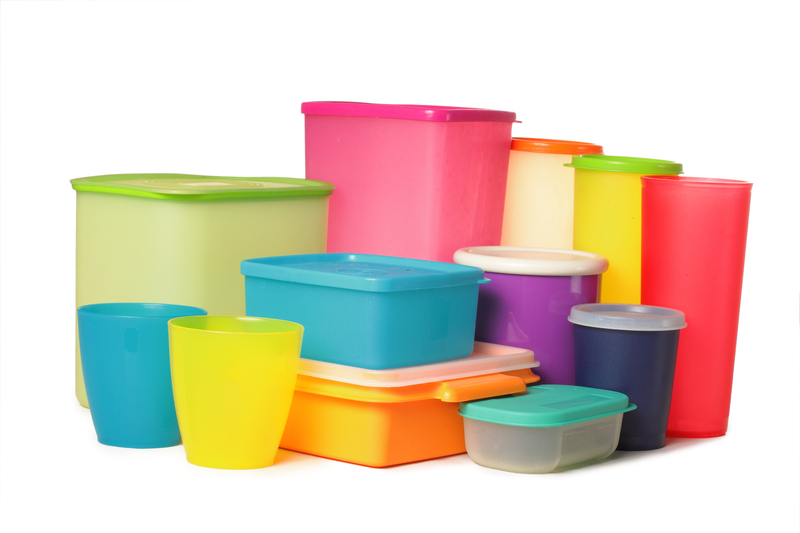
- Plastic Container Drawers: Stack and label plastic food containers for easy DIY hardware storage.
2. Upcycled Garden Projects
- Planters: Grow herbs in repurposed tea cups, coffee cans, or even old boots.
- Vertical Gardens: Hang shoe organizers or pallets on fences to create vertical gardens for small spaces.
- Watering Cans: Turn large plastic bottles into handy watering cans by poking holes in the cap.
3. Kitchen and Cooking Innovations
- Storage Jars: Save pasta sauce jars for pantry storage of grains, nuts, and spices.
- Utensil Holders: Repurpose tin cans or jars into rustic utensil holders or cutlery racks.
- Pour Spouts: Transform discarded squeeze bottles into ready-made pour spouts for oil, pancake batter, or salad dressing.
4. Fashion and Accessory Upcycling
- T-Shirt Totes: Convert worn-out t-shirts into reusable grocery or gym bags.
- Jewelry: Use buttons, keys, or leftover chains to create necklaces, bracelets, or brooches.
- Patchwork Clothing: Combine pieces of old jeans or dresses to design original, eco-conscious fashion statements.
Getting Started with Upcycling: Tips for Success
Ready to dive into the world of artistic upcycling and practical repurposing? Here's how to begin your journey:
- Start Small: Choose manageable projects that use materials you already have--such as jars, cans, or textiles.
- Gather Essentials: Invest in basic tools like strong scissors, a hot glue gun, sandpaper, paint, and a drill.
- Find Inspiration: Use platforms like Pinterest, Instagram, and YouTube to spark ideas and find tutorials.
- Plan and Prepare: Sketch your designs before starting; safety first when working with glass, metal, or tools.
- Embrace Imperfection: Upcycled projects are unique--imperfections add to their charm and character!
- Share and Inspire: Showcase your finished pieces with friends, family, or social media to inspire others to join the movement.
Upcycling in Everyday Life: Real-World Examples
Numerous communities, artists, and entrepreneurs around the globe are championing upcycling solutions to tackle waste creatively.
Case Study 1: Eco-Art Installations
Large-scale art installations using plastic bottles, tires, or scrap metal are popping up in public spaces worldwide. These displays not only raise awareness about waste but also beautify communities and attract tourism.
Case Study 2: Upcycled Business Models
Startups are launching lines of upcycled products, from designer handbags crafted out of seatbelts to recycled skateboard furniture. By giving trash a glamorous upgrade, these businesses turn sustainability into style.
Case Study 3: Community Workshops
Local environmental groups and schools are hosting upcycling workshops to teach people how to repurpose everyday items. These events foster creativity, reduce neighborhood waste, and build community bonds.
How Upcycling Helps the Environment
By giving your trash a second chance through artistic and practical repurposing, you contribute to a healthier planet in measurable ways:
- Less Landfill Waste: Upcycling keeps bulky items like furniture, glass, plastic, and textiles out of overflowing landfills.
- Reduces Resource Extraction: Reusing materials means fewer new raw resources are mined, logged, or harvested.
- Lower Carbon Footprint: Upcycled items require less energy to produce than manufacturing new goods, resulting in less greenhouse gas emissions.
- Encourages Local Economies: Upcycling supports crafters, artists, and small business owners who repurpose local waste.
- Educational Value: Upcycling helps children and adults internalize sustainable habits in hands-on, exciting ways.
Upcycling Tips for Families
- Get Children Involved: Let kids decorate cans, bottles, or boxes for low-risk creativity and eco-friendly fun.
- Host Swap Parties: Exchange gently used supplies and inspiration with other upcyclers in your community.
- Celebrate Events Creatively: Use upcycled decorations for birthdays, holidays, and parties.
Frequently Asked Questions About Upcycling
Q: What materials can I upcycle at home?
A: Common household items perfect for upcycling include glass bottles, tin cans, old furniture, textiles (t-shirts, sheets), plastics, cardboard, and even e-waste components.
Q: Is upcycling expensive?
A: Upcycling is budget-friendly--most projects require only basic tools and the creative use of items you already have.
Q: Does upcycling really make a difference?
A: Absolutely! Every upcycled item is one less in the landfill and one less new product contributing to global resource depletion.
Q: Where can I learn more upcycling techniques?
A: Check online tutorial platforms, attend local craft workshops, or join social media groups dedicated to upcycled art and practical solutions.
Conclusion: Give Your Waste a New Life with Upcycling Solutions
What was once destined for the trash heap can become a functional treasure or an eye-catching work of art. As we've explored, upcycling solutions are accessible, rewarding, and environmentally essential. Whether you're crafting a planter from a coffee can, weaving a rug from old t-shirts, or transforming glass bottles into dazzling lanterns, you are contributing to a greener planet and a more creative world. Give your trash a second chance--embrace upcycling today and inspire others by your example.
Be bold. Be resourceful. Give your old things a new story--and watch your creativity and environmental impact grow!